Conference Info
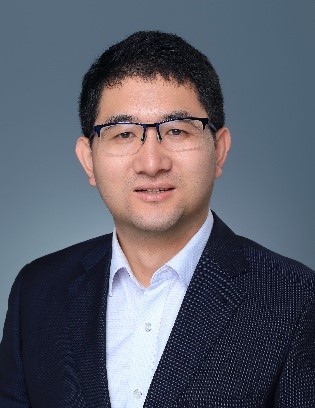

Prof. Jing Rao is a doctoral supervisor at Beihang University, a recipient of the National Young Talent Program and an Alexander von Humboldt Fellow of Germany. She earned her PhD from Nanyang Technological University, Singapore, and previously worked as an Assistant Professor at the University of New South Wales, Australia. Her research focuses on non-destructive testing and structural health monitoring. She has presided over more than 30 research projects funded by the National Natural Science Foundation of China, Beijing Natural Science Foundation, special tasks of the National Key Science and Technology Program for Key New Material R&D and Application under the 2030 Innovation Agenda, Alexander von Humboldt Foundation, the University of New South Wales (Australia), Sinopec and other industrial institutions. Her accolades include the Singapore Maritime Best Project Award (2017), the First-Class Technical Invention Award from China Petroleum and Chemical Automation Application Association (2025, ranked first), and the Pinnacle Award at the 2025 Far East Conference on New NDT Technology. Currently, she serves as Associate Editor for Measurement, Ultrasonic Imaging and IEEE Open Journal of Signal Processing. She is a committee member of the 3rd Committee of the Structural Health Monitoring and Early Warning Branch under China Instrument and Control Society, as well as a committee member of the Non-Destructive Testing Division of Chinese Mechanical Engineering Society. She is a Senior Member of IEEE and Chinese Society of Theoretical and Applied Mechanics. Additionally, she has acted as Track Chair and TPC Member for international conferences including IEEE IUS 2023, IEEE/ASME AIM 2023 and ACAM 2021.
Piezoelectric Neural Sensing Network for Enhanced Electro-Mechanical Impedance Spectroscopy
Runye Lu
Electro-Mechanical Impedance Spectroscopy (EMIS) is a well-established and powerful technique in Structural Health Monitoring (SHM), utilizing piezoelectric wafer active sensors (PWAS) to capture the dynamic response of structures. However, conventional EMIS faces significant challenges, including its reliance on the bonding of external piezoelectric sensors, which limits its localized sensing range and complicates installation. This confines diagnostics to the immediate vicinity of the sensor and restricts applicability for large-scale engineering structures. To address these limitations, this paper introduces a novel distributed sensing paradigm inspired by biological perception mechanisms. The proposed piezoelectric neural sensor network comprises distributed sensing units and transmission neurons, where each sensing unit is meticulously designed to encode unique local resonance characteristics. By strategically tuning the geometry and dimensions of these units, a mapping between physical location and spectral signature is achieved. Notably, this new approach requires only the employment of electrodes, simplifying installation procedures. The interconnected topology allows for effective multiplexing of spatial information into the frequency domain, enabling comprehensive global damage state assessment through a centralized Electro-Mechanical Impedance (EMI) measurement. The concept is systematically developed through an analytical model within the EMI framework, elucidating the principles of frequency multiplexing and the interaction between the sensors and the host structure. This is complemented by detailed finite element (FE) simulations that validate the network's distributed sensing functionality. The results demonstrate that damage at different locations induces distinctive shifts in the multiplexed impedance spectrum, confirming the network's capability for effective damage detection and localization. This paper concludes with a discussion on the implications for next-generation SHM systems and outlines promising future research directions, including optimization of the sensor network and its application to more complex structural geometries.
Biography of Runye Lu
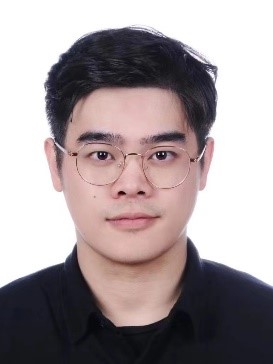
Dr. Runye Lu received his doctoral degree from Shanghai Jiao Tong University and continued his postdoctoral research under the supervision of Prof. Yanfeng Shen. He was awarded the Shanghai Super Postdoctoral Fellowship. His research is mainly focused on structural health monitoring based on ultrasonic guided waves and high-frequency vibration. As the first author, he has published 15 papers, including 5 SCI journal articles in journals such as Mechanical Systems and Signal Processing, Structural Health Monitoring – An International Journal, Ultrasonics and Smart Materials and Structures, as well as 10 EI-indexed conference papers. He has obtained 12 published/authorized patents and 8 registered software copyrights. He has presented oral reports at over 20 domestic and international conferences, earning wide recognition from global peers. His research has won multiple prestigious student awards at top-tier international conferences: Best Student Paper Award at ASME IMECE 2021, Best Student Poster Award at ASME QNDE 2023, Best Student Poster Award at ASME IMECE 2023, and Best Student Paper Award at SPIE SS+NDE 2025. Currently, he serves as a Young Committee Member of the Structural Health Monitoring and Early Warning Branch, China Instrument and Control Society.
Biography of Bin Zhang
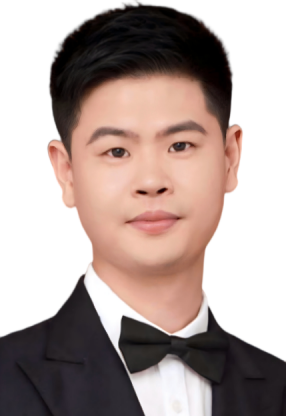
Dr. Bin Zhang is an Associate Research Fellow at South China University of Technology. His research focuses on structural health monitoring and condition assessment. As the principal investigator, he has undertaken six vertical research projects, including the Young Scientists Fund of the National Natural Science Foundation of China, General Program of Guangdong Provincial Natural Science Foundation, Guangdong-Guangzhou Joint Fund under Guangdong Regional Joint Fund, and General Program of China Postdoctoral Science Foundation. He has authored one monograph and published more than 30 SCI papers indexed in JCR Q1 journals. Six invention patents have been granted. Among these publications, 15 SCI articles were published as the first or corresponding author in authoritative journals such as Structural Health Monitoring, Computers in Industry and IEEE Transactions series, including 1 ESI Highly Cited Paper and 1 ESI Hot Paper. His works have accumulated over 1,200 citations on Google Scholar, with a single paper cited more than 300 times. He has been selected as the Macao Young Scholar and listed in the World’s Top 2% Scientists. He currently works as a Guest Editor for Measurement Science & Technology.
Adaptive Spatial Wavenumber Estimation Algorithm: An Efficient Ultrasonic Guided Wavefield Imaging Method
Xuan Li
Ultrasonic guided wavefield imaging has attracted widespread attention in industrial nondestructive testing and evaluation due to its capability of non-contact acquisition of full wavefield data containing structural inhomogeneity information. By utilizing the thickness–wavenumber dispersion relationship and wavenumber spectrum characteristics of guided waves, the size, location, and depth of defects can be quantitatively characterized from full wavefield data. However, a major challenge in wavefield imaging lies in balancing anti-interference capability and imaging efficiency. To simultaneously achieve high robustness and high imaging efficiency, a computationally efficient depth-resolved inspection method, termed Adaptive Spatial Wavenumber Estimation (ASWE), is proposed. By replacing the conventional fixed spatial window with an adaptive spatial window during the local wavenumber estimation process, the proposed method significantly improves imaging speed while maintaining depth resolution and robustness. Experimental validations were conducted on metallic plate specimens containing artificial thinning defects with various shapes, stepped depths, and linear depth variations. The results demonstrate that the proposed ASWE method can achieve high-accuracy and high-efficiency depth-resolved inspection, providing an effective approach for the engineering application of wavefield imaging in industrial nondestructive testing.
Biography of Xuan Li
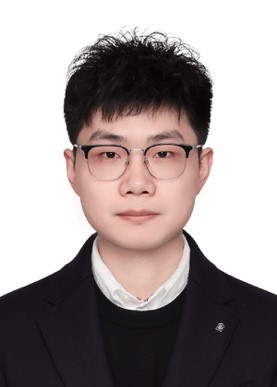
Dr. Xuan Li is a postdoctoral researcher at the School of Mechanical and Power Engineering, East China University of Science and Technology, supervised by Prof. Yanxun Xiang. His research mainly covers advanced ultrasonic imaging methodologies, linear/nonlinear acoustic characterization and the development of instrument systems. He has presided over one research task of the National Key Science and Technology Special Project. As the first or corresponding author, he has published eight SCI papers in prestigious journals including Mechanical Systems and Signal Processing, IEEE Transactions on Ultrasonics, Ferroelectrics, and Frequency Control, NDT & E International and Structural Health Monitoring. He has applied or obtained six authorized invention patents and participated in the formulation of one national standard of China.
Phased Array Ultrasonic Guided Wave High-Resolution Imaging Method for Multiple Defect Detection
Wenfa Zhu
Metal thin plates are widely used in high-end equipment such as aerospace and high-speed railways. Due to the coupled effects of material properties, manufacturing processes, and service environments, these plates inevitably develop damage during service, often in the form of multiple coexisting defects. Combining ultrasonic guided wave with phased array ultrasonic testing enables long-range, rapid, quantitative detection and monitoring of defects in large-area metal thin plates. However, due to the combined effects of guided wave dispersion, mode conversion, and the resolution limit of phased array ultrasonic imaging systems, the imaging accuracy and resolution for multiple defects remain insufficient, and accurate identification is often difficult. To address this issue, recent research efforts are as follows: (1) We investigated a time-domain topological energy-based phased array ultrasonic guided wave imaging method. An adjoint acoustic field is constructed that accounts for guided wave mode conversion and suppresses dispersion. By fully exploiting the focusing of the direct and adjoint acoustic fields exclusively at defect locations, the time-domain topological energy at each spatial point is computed, achieving high-resolution imaging and characterization of multiple defects. (2) We developed an adaptive beamforming-based phased array ultrasonic guided wave imaging method. Weight vectors are adaptively calculated from the characteristics of the received array signals, thereby reducing the mainlobe width and sidelobe amplitude. This overcomes the Rayleigh resolution limit of conventional phased array ultrasonic imaging systems and enables super-resolution imaging of multiple defects. (3) We constructed an AI-based phased array ultrasonic guided wave imaging method. AI algorithms are introduced at both the signal processing and image processing stages, effectively improving the imaging accuracy and resolution for multiple defects. Specifically, at the signal processing stage, traditional machine learning algorithms reconstruct high-quality echo signals; at the image processing stage, deep learning techniques reconstruct fine defect features.
Biography of Wenfa Zhu
Dr. Wenfa Zhu is an Associate Professor and Master’s Supervisor at the College of Urban Rail Transit, Shanghai University of Engineering Science. Targeting the non-destructive testing requirements for track foundation structures, his research focuses on theoretical investigation and engineering application of ultrasonic imaging inspection technologies. He has published more than 50 SCI papers in journals such as Mechanical Systems and Signal Processing (MSSP) and Measurement, and holds over 10 authorized invention patents. One of his research achievements has been industrialized via technology transfer with China Railway Shanghai Bureau Group Co., Ltd. He has undertaken numerous research projects, including programs supported by the National Natural Science Foundation of China, sub-projects of the National Key R&D Program, General Program of China Postdoctoral Science Foundation, General Program of Shanghai Natural Science Foundation, and industry-sponsored commissioned projects. He serves as a committee member of the Inspection Acoustics Committee under the Acoustical Society of China and the Acoustic Testing Committee of the China Committee for Standards of Materials and Tests. He also holds committee positions in the Urban Rail Transit Committee and Railway Engineering Committee of Shanghai Civil Engineering Society. In editorial roles, he is an Editorial Board Member of Scientific Reports and a Young Editorial Board Member of Journal of Measurement Science and Instrumentation. His research honors include the Third Prize of Shanghai Science and Technology Progress Award and the Second Prize of Science and Technology Progress Award from China Railway Shanghai Bureau Group.
State of Charge Evaluation of Lithium-Ion Batteries Using Ultrasonic Fast and Slow Wave Bandgap Detection
Jie Gao
Lithium-ion batteries (LIBs) serve as the core power units and critical energy storage modules for new energy electric vehicles. Ultrasonic non-destructive testing (NDT), based on acoustic wave propagation characteristics, exhibits significant advantages in evaluating the internal state of LIBs. Given the structural consistency between typical LIB internal architectures and phononic crystals, the methodology used to study bulk wave bandgap characteristics in phononic crystals is introduced into the acoustic wave propagation modeling of lithium-ion power batteries. This study primarily elucidates the generation mechanisms of fast and slow wave phenomena within these batteries. Based on Biot's theory and Bloch's theorem, a theoretical model for fast and slow wave propagation in LIBs featuring multilayer porous periodic structures is established. Through numerical analysis, the interaction mechanisms between the State of Charge (SOC) and the bandgap characteristics of fast and slow waves are revealed. Furthermore, simulations are conducted to analyze the influence of the SOC on the real band structure curves of one-dimensional liquid-saturated porous periodic structures. Finally, utilizing chirp linear frequency modulation technology, experimental investigations on fast and slow wave detection across various SOC levels are performed. The experimental results reveal the intrinsic correlations between time-frequency domain signal features and the battery's State of Health (SOH), thereby providing a novel solution for the non-destructive sorting and comprehensive utilization of retired power batteries.
Biography of Jie Gao
Dr. Jie Gao is an Associate Research Fellow and Doctoral Supervisor at Beijing University of Technology. His research focuses on fundamental theories and core technologies for the state assessment of lithium-ion batteries. As the principal investigator, he has led more than ten research projects, including the Young Scientists Fund of the National Natural Science Foundation of China, subprojects of the National Key R&D Program, subprojects commissioned by ZB Development Department, and industry-sponsored research from State Grid, Huawei and other institutions. He has published 38 academic papers as the first or corresponding author, among which 25 are SCI articles issued in high-impact journals such as Energy Storage Materials (IF=20.2) and eTransportation (IF=17.4). He has been granted 3 Chinese invention patents and 1 PCT international patent. He has been selected into the Young Talent Support Program of Beijing Association for Science and Technology and the Outstanding Young Talent Program of Beijing University of Technology. His academic honors include the Second-Class Science and Technology Award of China Petroleum and Chemical Automation Industry (2022) and the Young Scientist Award from the 3rd Guangdong-Hong Kong-Macao Greater Bay Area Nondestructive Testing Forum.
In-pipe inspection, Nondestructive testing, Ultrasonic sensing, Robotic inspection, Ultrasonic guided wave
Xudong Niu
This study focuses on intelligent ultrasonic sensing technology for in-pipe robotic nondestructive inspection to address the limitations of harsh pipeline environments, labor-intensive manual detection, and low accuracy of traditional visual inspection. Combined with mobile robots, an automated inspection framework based on ultrasonic guided waves is proposed. The scattering matrix is utilized to determine the minimum incident and scattering directions for precise defect characterization, and a multi-robot cooperative detection method is adopted for refined pipeline inspection. Monte Carlo simulation is performed to evaluate the localization error caused by sensor deviation, and an array detection model is further established to derive the global defect detection probability. Moreover, an air-coupled ultrasonic scheme with a 40 kHz transducer is applied for low-visibility pipeline detection, and SAFT imaging based on optimized sunflower spiral scanning is verified in a mock pipeline. This work integrates guided wave detection, array sensing and robotic inspection, forming a comprehensive intelligent ultrasonic perception system. The research findings can provide technical support for high-precision and low-cost in-pipe nondestructive detection.
Biography of Xudong Niu
Dr. Xudong Niu is a Research Fellow and Doctoral Supervisor at Changchun Institute of Optics, Fine Mechanics and Physics, Chinese Academy of Sciences (CIOMP, CAS). He serves as Director of the Frontier Interdisciplinary Innovation Lab, Research Center for Advanced Computing & Digital Engineering. He was selected into the High-Level Talent Program of Chinese Academy of Sciences, the Young Talent of Changbai Elite Program of Jilin Province, and Class-D Top Provincial Talent of Jilin Province in 2024. His research focuses on fundamental theories and engineering applications of intelligent non-destructive testing based on ultrasonic and guided waves. He has published more than 30 papers in top-tier journals across acoustics, ultrasonics and NDT fields, including NDT & E International, Ultrasonics and Structural Health Monitoring-IJ. He was awarded the Best Paper Prize of NDT&E International in 2024. He previously participated in five international funded research projects sponsored by EPSRC and Innovate UK. In the past three years, he has presided over a total of five research projects at national, provincial/institutional levels. He is a Senior Visiting Scholar at the University of Cambridge (UK), a UK Chartered Engineer (CEng), Committee Member of The Welding Institute (TWI, UK), and Committee Member of UKAN+ Association for Intelligent Manufacturing & Transportation. Domestically, he is a Senior Member of the Chinese Mechanical Engineering Society and a Senior Member of the Technical Committee for Structural Health Monitoring & Early Warning, China Instrument and Control Society.
Impact Localization with a Single Metasurface-Empowered Sensor via Lamb Wave Encoding and Machine Learning Decoding
Shengbo Shan
Composite structures are prone to external impacts during service, causing internal damage and significantly compromising structural integrity and safety. Accurate and timely impact localization is therefore essential to ensure structural reliability. Most existing physics-based or data-driven impact localization methods rely on dense sensor arrays for data acquisition, leading to increased system weight, reduced robustness, and cumbersome signal processing in practical scenarios. To address these limitations, this study introduces an impact localization method for composite structures using only a single metasurface-empowered sensor (MES). A physical–digital framework combining Lamb wave encoding with machine learning-based decoding is established to validate the proposed approach. Numerical simulations elucidate the modulation effect of the metasurface on Lamb waves in composite plates. A MES is then designed with its wave-encoding capability experimentally verified. Finally, a convolutional neural network is built as the decoder to extract impact location information from the captured single Lamb wave signal. By leveraging the dispersion properties of the A0 mode Lamb wave and the wave modulation ability of the metasurface, the system achieves two-dimensional impact localization using only one MES. Relying solely on the first wave arrivals, the method can be universally adapted to structures with varying geometries.
Biography of Shengbo Shan
Dr. Shengbo Shan is an Associate Professor at the College of Intelligent Science, National University of Defense Technology, and a recipient of the Military Introduced Outstanding Young Scientific Talents. His research is dedicated to vibration control and structural health monitoring, covering nonlinear guided wave theory, intelligent sensor design, vibration control methodologies, advanced signal processing, as well as mechanical and elastic wave metamaterials. He serves as a Young Editorial Board Member of the International Journal of Dynamics and Control. He has published over 30 SCI papers in reputable journals such as Mechanical Systems and Signal Processing, Nonlinear Dynamics, Journal of Sound and Vibration and Structural Health Monitoring. He was selected into the 2021 Shanghai Leading Talents (Overseas Program). He has presided over multiple research projects including the Young Scientists Fund of the National Natural Science Foundation of China and General Program of Shanghai Natural Science Foundation.
Edge waves in a semi-infinite double-layer plate and the detection of defect locations
Jiangong Yu
Edge waves in semi-infinite bilayer plates are investigated via theory, simulation, and experiment. A hybrid Legendre-Laguerre orthogonal polynomial method is developed to solve the wave equations under traction-free boundary conditions on both the top/bottom surfaces and the free edge. The method efficiently extracts multi-mode group velocity dispersion curves. Concurrently, three-dimensional transient finite element simulations and ultrasonic experiments are conducted on steel-aluminum bilayer plates. The measured group velocities of symmetric and antisymmetric modes agree with theoretical predictions, with relative errors within 3.5% (simulation) and 3.3% (experiment). Leveraging the high-velocity, low-dispersion characteristics of high-frequency symmetric modes, we achieve accurate localization of single and double edge defects, with positioning errors below 4%. The results confirm that the proposed hybrid polynomial method is accurate and that edge waves are promising for structural health monitoring of bilayer plates.
Biography of Jiangong Yu
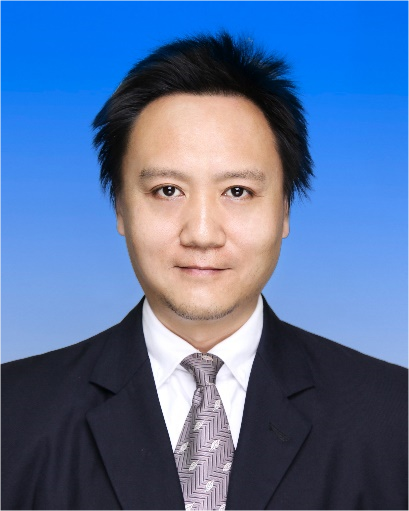
Prof. Jiangong Yu is a Doctoral Supervisor at the School of Mechanical Engineering, Henan Polytechnic University, an Alexander von Humboldt Fellow, Outstanding Young Scholar for Henan Provincial Science and Technology Innovation, Visiting Researcher at Hauts-de-France Polytechnic University, and Leader of the University Science and Technology Innovation Team of Henan Province. He has long been engaged in research on wave mechanics, ultrasonic non-destructive testing technology and relevant instrument development. He has presided over seven research projects including programs funded by the National Natural Science Foundation of China, National Key R&D Program and key provincial research projects of Henan. He has been granted more than 20 invention patents and published over 100 SCI-indexed papers as the first or corresponding author.
Research on the Mode Matching Method for the Scattering Problem of Plane Guided Waves Incident at an Angle in Composite Laminate Plates
Feilong Feng
The scattering of obliquely incident guided waves at straight discontinuities in multilayered anisotropic composite laminates is investigated using the mode-matching method. Either Chebyshev collocation or the semi-analytical finite element method can be used to extract the complete guided wave spectrum, including propagating and evanescent modes, based on one-dimensional models. These modes are incorporated into a rigorous mode-matching formulation at the interfaces of discontinuities, yielding explicit scattering coefficients that reveal the dependence on incidence angle, defect size, and stacking sequence. Extensive cross-validation with an independent local finite element benchmark confirms accuracy, with energy conservation satisfied to within 1%. Combined with polar wavenumber diagrams, the method can provide direct insight into scattering phenomena in highly anisotropic laminates.
Biography of Feilong Feng
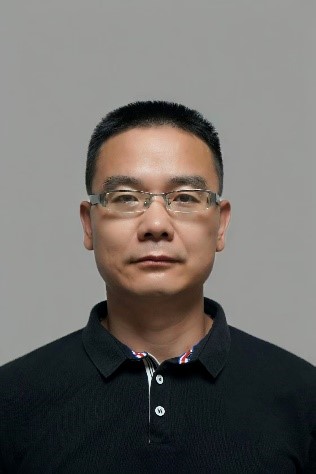
Prof. Feilong Feng is a Master’s Supervisor at the School of Physics and Information Technology, Shaanxi Normal University. He obtained his Doctor of Science degree in Acoustics from the Institute of Acoustics, Chinese Academy of Sciences in 2007. His long-term research focuses on the theories and technologies of ultrasonic guided waves and non-destructive inspection. Over the past five years, he has presided over or participated in more than ten research projects, including those supported by the National Natural Science Foundation of China and industrial commissioned projects. He has been granted 8 Chinese invention patents and published over 20 academic papers as the first or corresponding author.
Breaking Thermal Constraints:Rapid and High-Precision Nonlinear Ultrasonic Non-Destructive Evaluation of Batteries Across Extreme Temperatures
Xiaolei Lin
Rechargeable lithium-ion batteries (LIBs) serve as critical components in contemporary energy storage systems. Accurately evaluating their internal degradation under extreme temperature conditions remains a significant challenge. This research presents a non-invasive diagnostic method that leverages the quasi-static component (QSC) derived from nonlinear ultrasonic guided waves. A synchronized testing platform is implemented to differentiate between environmental thermal influences and material acoustic responses. Using statistical calibration, the technique estimates both the standard state of charge (SOC) and SOC relative to nominal capacity (SOCN) over a temperature range from -10 °C to 40 °C. Furthermore, in-situ multidimensional characterization unequivocally maps these ultrasonic signatures to temperature-dependent mechanics and irreversible capacity fade mechanisms. Ultimately, this unified framework provides a scalable, quantitative diagnostic tool for reliable energy systems operating under extreme environments.
Biography of Xiaolei Lin
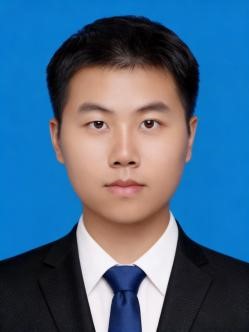
Mr. Xiaolei Lin is a doctoral candidate at the School of Aerospace Engineering, Xiamen University. Guided by China's national new energy strategy and the dual-carbon goals, he targets major national development demands and devotes his research to nonlinear acoustic inspection and performance evaluation for advanced power batteries. He has taken part in a number of national-level research projects. As the first author, he has published multiple SCI papers in leading journals covering ultrasonic NDT and energy materials, including Energy Storage Materials, Small, Applied Physics Letters and Journal of Physics D: Applied Physics. He was selected into the PhD Program of the Young Talents Cultivation Project sponsored by the China Association for Science and Technology. His academic honors include the Best Presentation Award at the 1st International Symposium on Aerospace Structural Dynamics and Outstanding Master's Thesis Award.
A Comparative Study of Recursive Matrix Methods for Ultrasonic Guided Waves in Multi-Layered Composite Media
Shuanglin Guo
Ultrasonic guided waves are widely used in non-destructive testing (NDT) and structural health monitoring (SHM). In complex multi-layered composite media, developing stable theoretical models and computational methods for guided waves—such as dispersion curve calculation and wave structure analysis—has always been a research focus. In this work, we address the propagation of elastic guided waves in anisotropic multi-layered composite laminates and reveal that there exist six possible formulations for relating displacements and stresses across layer interfaces. These six formulations can be naturally developed into six distinct recursive matrix modeling techniques, namely: the transfer matrix method (TMM), the stiffness matrix method (SMM), the hybrid compliance-stiffness matrix method (HCSMM), the dual variable and position method (DVP), as well as the dual versions of TMM and SMM (referred to as dual-TMM and dual-SMM, respectively). Among these, the first four methods have been applied in various disciplines, with TMM and SMM being the most widely used in ultrasonic guided wave–based NDT and SHM. The latter two methods, however, have not yet been reported in the literature. This paper presents a unified derivation of all six recursive matrix methods in a rigorous and mathematically coherent form, and systematically evaluates the numerical stability of each method. The results show that HCSMM and DVP exhibit the best numerical stability, demonstrating unconditional stability for arbitrarily small or large frequency-thickness product values. Therefore, the HCSMM and DVP hold great promise for broader application in ultrasonic guided wave–based NDT and SHM.
Biography of Shuanglin Guo
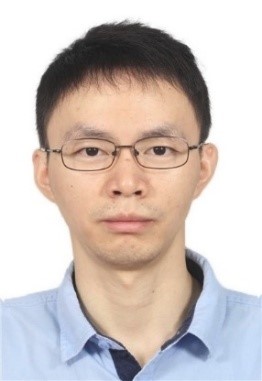
Dr. Shuanglin Guo is an Associate Professor and Master's Supervisor at the School of Instrument Science and Optoelectronic Engineering, Nanchang Hangkong University. He earned his doctoral degree from Arts et Métiers ParisTech in France. His long-term research centers on non-destructive testing and structural health monitoring of aerospace composite materials using piezoelectric ultrasonic guided waves. He serves as a committee member of the Ultrasonics Technical Committee under the Nondestructive Testing Division of the Chinese Mechanical Engineering Society. Over the past five years, he has presided over 1 project funded by the National Natural Science Foundation of China and 4 provincial/ministerial research projects covering aerospace, high-speed railway and civil engineering sectors. He has published more than 10 SCI papers in Q1/Q2 journals indexed by the Chinese Academy of Sciences Journal Ranking. He has delivered oral presentations and poster presentations at numerous international conferences. Additionally, he works as a peer reviewer for reputable journals including Mechanical Systems and Signal Processing, Composite Structures, Ultrasonics and International Journal of Solids and Structures.
Guided Wave Damage Probability Imaging and Localization Method for CFRP Plates Based on Multi-scale Attention Siamese Network
Yuan Liu
Carbon fiber composite materials are widely applied in high-end manufacturing fields such as national de-fense and military industry due to their high specific stiffness, corrosion resistance and fatigue resistance. Ultrasonic Guided Waves (UGW) are sensitive to defects and suitable for large-scale detection, making them a key research focus in the field of structural health monitoring. However, most traditional guided wave imaging and localization methods adopt a two-stage serial architecture of "feature extraction-imaging calculation", which lacks deep collaboration between multi-scale features and elliptical probability spatial mapping and restricts the accuracy of defect localization. This paper proposes a siamese network integrating multi-scale attention and dilated residual convolution, and constructs a Gaussian probability label mecha-nism based on spatial wave path difference attenuation. It transforms damage identification into a continu-ous probability regression problem and realizes damage localization combined with an improved elliptical probability imaging algorithm. The verification results on open-source datasets show that the maximum edge error is 95.11 mm and the average edge error is 19.21 mm. Practical verification results indicate that the maximum edge localization error of damage localization is reduced to 27.2 mm and the average edge lo-calization error drops to 3.31 mm, which is an 82.8% reduction compared with the test results of open-source datasets. Meanwhile, the proportion of cases where the actual damage position completely coincides with the model prediction results is greatly increased. After training, the proposed model requires no manu-al intervention or prior damage information, and can automatically generate damage labels with high locali-zation accuracy and good stability. It provides a new solution for the on-line health monitoring of high-end composite material structures.
Biography of Yuan Liu
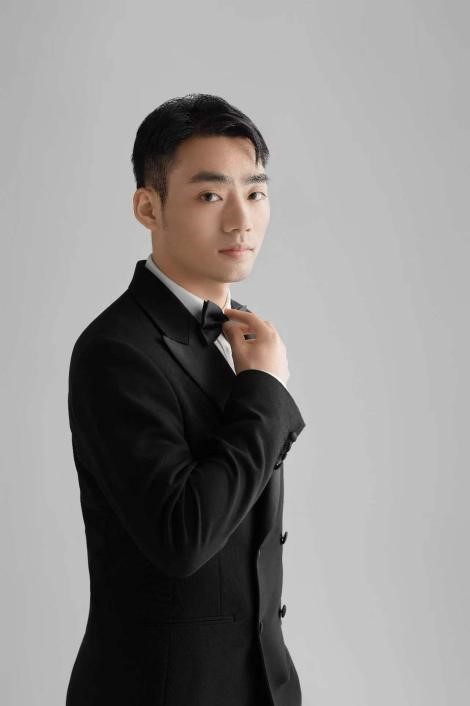
Dr. Yuan Liu is an Associate Professor and Master’s Supervisor at the School of Instrument Science and Optoelectronic Engineering, Nanchang Hangkong University. He received his Doctor of Engineering degree in Mechanical Engineering from South China University of Technology in 2021. His research mainly focuses on ultrasonic testing technology and instrumentation, guided wave inspection theory, as well as artificial intelligence applications in aerospace engineering. He has presided over multiple research projects including the Young Scientists Fund of the National Natural Science Foundation of China, Jiangxi Provincial Young Science Fund, open projects of Key Laboratory for NDT and industrial horizontal projects. Besides, he has participated in nearly 30 national, provincial and enterprise-commissioned testing projects. He has published more than 20 CI/EI papers, obtained 1 authorized international invention patent and nearly 10 Chinese invention patents, and drafted two association standards.
The propagation characteristics of longitudinal guided waves in prestressed free anchor rods
Zhi Li
The prestressed structure can improve the stress state of the structure, thereby significantly enhancing the bearing capacity and stability of the structure. However, existing research lacks an in-depth understanding and systematic analysis of the guided wave propagation characteristics in prestressed structures. In order to deeply explore these deficiencies, this paper takes the prestressed bolt as an example to conduct cor-responding research. Based on the Acoustoelasticity theory and Biot theory respectively, the Legendre orthogonal polynomial method (LOPM) is applied to study the propagation characteristics of guided waves in the prestressed bolt. The influences of different prestress and material parameters on the dispersion curves of the prestressed bolt are analyzed. The corresponding numerical and experimental studies are carried out by using the optimal excitation frequency obtained from the theoretical analysis, which further confirms the correctness of the theoretical method.
Biography of Zhi Li
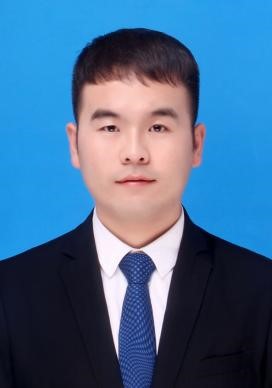
Dr. Zhi Li is an Appointed Associate Professor and Master's Supervisor at the School of Mechanical and Power Engineering, Henan Polytechnic University. His long-term research focuses on wave propagation characteristics and non-destructive testing of composite materials, smart materials and their structures. He has presided over or participated in 2 projects supported by the National Natural Science Foundation of China, 1 personnel exchange project under the National Key R&D Program, 1 Henan Provincial Key Science and Technology Research Project, and 2 appraisal projects sponsored by Henan Provincial Department of Science and Technology. He has published over 20 academic papers including 15 SCI journal articles. He has been granted 2 Chinese invention patents and registered 3 software copyrights. His research achievements have won the First Prize of Science and Technology Award from Henan Provincial Department of Education and the First Prize of Excellent Natural Science Academic Paper of Henan Province.
Research on Intelligent Quantitative Imaging Method Using Guided Ultrasound Waves and Cross-Domain Applications
Chengwei Zhao
Ultrasonic guided wave tomography is valuable for structural health monitoring and non-destructive testing. Full-waveform inversion (FWI) enables high-resolution imaging, but its online Hessian calculation limits timeliness. We introduce supervised descent method (SDM) to replace steepest descent. By shifting nonlinear mapping between sound-field and structural changes to offline training, we develop fast inversion tomography (FIT), which accelerates online inversion by >200 times versus FWI while maintaining accuracy. We extend this to biometric authentication: fingerprint imaging. Conventional capacitive, optical, and pulse-echo ultrasonic fingerprints rely on under-display devices, limiting scanning domain and suffering from contaminants. We propose an ultrasonic fingerprint method acquiring Lamb waves along the plate plane. A 128-element PZT-5H array (100 mm diameter) placed at the scanning domain edge reconstructs sub-millimeter ridges/valleys by monitoring dispersion changes from fingertip press, achieving zero under-display occupation and full-screen authentication. Offline training establishes nonlinear mapping between fingerprint morphology and sound-field dispersion, enabling online inversion in seconds. Wave structure differences among water, dust, epidermis distinguish real fingerprints from contaminants. Deep learning post-processing (DLCNN, Mask R-CNN) improves image quality and anti-spoofing. Experiments show 93.75% authentication success for clean, wet, dusty fingers, and 0% for unregistered attacks. To enhance sensitivity to subtle changes, we extend FIT from linear to nonlinear guided waves. Exciting second-harmonic Lamb waves with power flux accumulation enables nonlinear ray tomography for highly sensitive localization and quantification of micro-contacts. A joint imaging method (localization + quantification) and second-harmonic-based FIT are proposed. Multi-parameter fusion suppresses artifacts and improves stability. Thus, SDM-based intelligent quantitative imaging overcomes FWI's timeliness bottleneck and applies across disciplines including biometrics. This multi-parameter fusion method supports early damage assessment and next-generation large-screen device authentication.
Biography of Chengwei Zhao
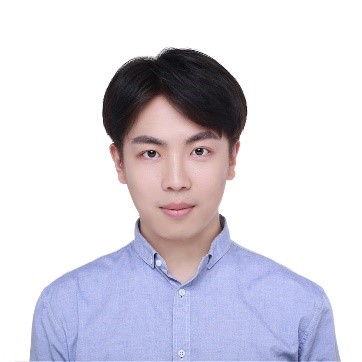
Zifeng Lan
Composite interface defects, such as delamination and debonding, are difficult to detect because they are often hidden within laminated or stiffened structures. This study presents a nonlinear broadband ultrasonic guided wave mixing method for detection of composite interface damage. Two tailored chirp excitations are used to generate broadband guided waves, which interact with contact-type defects and produce nonlinear harmonic components. By using reversed or frequency-offset chirp sweeps, the nonlinear responses can be transformed into fixed-frequency harmonic signatures, including sum- and difference-frequency harmonics. These components can be extracted using simple frequency-domain filtering, avoiding complicated time-frequency processing. Experiments on CFRP laminates and stiffened composite panels show that the proposed method can clearly visualize hidden interface defects and provides an efficient approach for composite damage detection.
Biography of Zifeng Lan
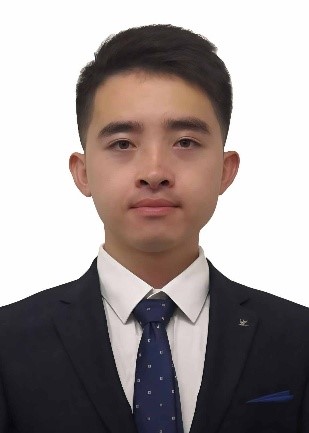
Dr. Zifeng Lan is an Assistant Professor and Master’s Supervisor at the School of Aerospace Engineering, Xiamen University. He completed his bachelor’s and master’s degrees at Xiamen University and earned his doctorate from school of Engineering, the University of Tokyo, where he received the Dean’s Honor Award of the Faculty of Engineering. His research is focused on ultrasonic non-destructive testing technologies. Over the past five years, he has published 16 SCI papers in reputable journals such as Mechanical Systems and Signal Processing (MSSP), NDT & E International and Journal of Sound and Vibration (JSV), with over 270 citations on Google Scholar. One article published in Ultrasonics was selected as a Featured Article, and he was awarded the Excellent Paper Award at the Far East Forum on New NDT Technology.